Crown thinning in Bounds Green
If you are looking for crown thinning in Bounds Green, you are probably trying to solve a very practical problem: a tree that feels too heavy, too dark, too windy, or simply too big for the space it grows in. In local gardens, front drives, shared courtyards, and commercial grounds, mature trees can become dense over time. They may still be healthy, but the canopy can block light, restrict airflow, and make the tree catch more wind than it should. A carefully planned thinning service can improve the tree’s balance without stripping away its natural shape.
For homeowners and businesses in Bounds Green, this service is often chosen for a mix of reasons. Some want more daylight in the garden. Others need to reduce rubbing branches near a roof, boundary, or path. Some are managing a tree that looks congested and needs expert attention before storm season. Whatever the reason, crown thinning is a sensible way to make a tree lighter and more manageable while keeping it attractive and well-formed.
Our approach is focused on tree health, appearance, and practical use of space. We work with the tree’s natural structure, removing selected branches from throughout the crown rather than cutting the top back heavily. That means the tree keeps its character while becoming easier to live with. If you need advice, a site visit, or a quotation, contact us today to discuss the right approach for your tree.
What crown thinning means for local property owners
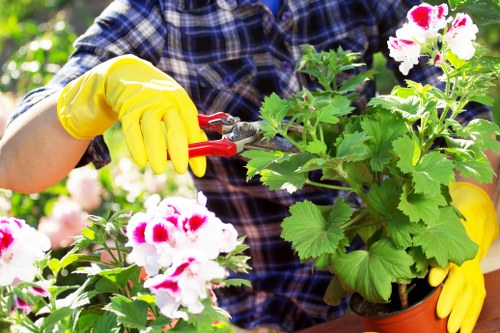
Crown thinning is the selective removal of a small number of branches across the tree canopy. The aim is not to change the tree into a different shape, but to reduce density so that more light and air can pass through. In a place like Bounds Green, where gardens may be closely bordered, properties can sit near one another, and driveways or side access routes may be tight, that extra light and air can make a big difference to everyday use of the space.
Many customers ask whether thinning will make the tree look sparse or unnatural. When carried out properly, it should not. A skilled tree surgeon will remove branches in a balanced way, paying attention to the species, the age of the tree, the way it has grown, and the wider setting. The final result should still look like the same tree, only better managed.
In practical terms, crown thinning is often used to help with:
- More natural daylight reaching lawns, patios, and windows
- Reduced wind resistance during wet or stormy weather
- Less crowding where branches are rubbing or crossing
- Improved airflow around the canopy, which can help reduce disease pressure
- A tidier, lighter appearance without harsh reduction cuts
Why Bounds Green properties often benefit from thinning
Bounds Green has a mix of residential streets, established gardens, shared boundaries, and commercial spaces where trees need to be managed with care. Mature trees in local front and back gardens may have been left untouched for years, and that can lead to a dense canopy that starts to dominate the space. In tighter plots, even one overgrown crown can make a small garden feel darker and less usable.
Local access is another important factor. Many homes and business premises have limited room for equipment, narrow side passages, close neighbours, or vehicles parked nearby. That is why local knowledge matters. A team familiar with the area can plan the work around access constraints, carefully protect nearby planting, and complete the job in a tidy and efficient way.
Commercial customers in Bounds Green may also need tree maintenance to help keep entrances visible, signage clear, paths open, and outdoor areas comfortable for staff, customers, or visitors. Thinning can be particularly useful where trees are adding excessive shade to car parks, seating areas, or building facades. In these settings, good tree management is not just about appearance; it is also about function and safety.
Bounds Green tree services should always be based on an understanding of the site, the tree species, and the customer’s priorities. Some people want more afternoon light into a family garden. Others are concerned about a branch hanging over a roof, or a canopy that catches too much wind near a boundary fence. The right solution is not always dramatic pruning; often, crown thinning is the most balanced option.
How our crown thinning service works

We keep the process straightforward so you know what to expect from the first discussion to the completion of the job. Every tree is different, and the amount of thinning required depends on its species, current condition, size, location, and your aims for the space. We do not treat every tree the same way; we assess it carefully and recommend the most suitable approach.
Typically, the service begins with a site assessment. This allows us to inspect the tree’s canopy, identify any weak, crossing, dead, or congested limbs, and consider how the tree sits within the property. We also look at nearby structures, paths, fences, sheds, overhead obstacles, and access points. This is especially useful in Bounds Green where working room can be limited and every site needs a considered plan.
The main steps usually include:
- Assessing the tree’s condition and the customer’s goals
- Identifying which branches can be removed to improve balance and airflow
- Carrying out selective cuts to thin the canopy evenly
- Checking the finished shape for symmetry and stability
- Clearing away branches and leaving the site tidy
We aim to work respectfully around your property and neighbours. That means careful positioning of equipment, sensible planning for debris removal, and attention to the details that matter in residential and commercial settings alike. If you need a tree that is healthier, lighter, and easier to live with, book your service now to arrange an assessment.
What is included in crown thinning
People often want to know exactly what they are paying for. Crown thinning is a specialist tree maintenance service, and the work included should be clearly explained before anything starts. A good service is more than just cutting branches. It is about making informed choices that improve the tree while respecting the property around it.
Depending on the tree and site, the service may include the following:
- Inspecting the tree for deadwood, rubbing branches, and congested areas
- Selecting branches for removal from throughout the crown
- Maintaining a natural outline and balanced structure
- Reducing crowding around rooflines, fences, or neighbouring spaces
- Clearing cuttings and leaving the area tidy after the work is done
In some cases, additional recommendations may be made if the tree has other issues that thinning alone will not solve. For example, a crown may need a more specific management plan if the tree has poor structure, storm damage, or branches that are encroaching on buildings or public access routes. The important thing is that the service is tailored rather than rushed.
Tree crown thinning is usually chosen when the tree is otherwise sound but simply too dense for the space. That is different from topping or heavy reduction, both of which can change the tree more drastically. For many Bounds Green customers, the appeal of thinning lies in its subtlety: the tree looks refined, not chopped.
When thinning is a sensible choice
There are several common situations where this service makes good sense. You may want it if the tree has:
- An overly dense canopy blocking light into the house or garden
- Branches that are crossing and competing for space
- Reduced airflow that makes the tree look heavy and congested
- Excess wind drag in an exposed position
- A need for a tidier shape without major height reduction
Benefits for homeowners and businesses

Crown thinning offers a practical set of benefits that can be felt immediately and continue to matter through the seasons. In a local garden, the difference in light can be noticeable as soon as the work is complete. In a commercial space, the area may feel more open and inviting. In both settings, the tree can remain an important feature without overwhelming the surroundings.
Some of the main benefits include:
- Improved natural light in darker rooms, patios, and lawn areas
- Better airflow through the canopy, which can help support tree vitality
- Reduced wind loading on branches and the structure of the tree
- A cleaner appearance without the harsh look of severe pruning
- More usable outdoor space for gardening, entertaining, or walking
In family gardens, those benefits can make outdoor areas feel safer and more pleasant to use. In commercial locations, they may improve the experience for visitors and staff by opening up entrances, seating areas, and walkways. Trees are valuable assets, but when they become too dense, they can also start to create practical problems. Thinning provides a measured solution.
Local experience matters because different trees, streets, and properties need different methods. A canopy growing above a terraced home may require a very careful hand, while a tree in a larger garden might allow a broader pattern of thinning. In either case, the goal is the same: a healthier-looking, better-balanced tree that works more effectively for the space around it.
Why choose a local company for crown thinning in Bounds Green
Choosing a local tree team is about more than convenience. It means working with people who understand the layout of the area, the likely access issues, and the sort of trees commonly found in nearby streets and gardens. In Bounds Green, that can be especially useful where plots are compact, neighbours are close, and work needs to be completed with respect and efficiency.
A local company is also often better placed to plan practical details. For example, if parking is limited, equipment may need to be unloaded with care. If a rear garden is accessible only via a narrow passage, the work may need to be staged to avoid damage. If the tree is near a shared boundary, communication and tidy working become even more important. These are the day-to-day realities that affect customer satisfaction.
For commercial customers, using a nearby service can make scheduling simpler too. If you manage a shop frontage, office grounds, rented property, or communal area, you may need work completed at a specific time or with minimal interruption. A local team can often respond more flexibly and understand the urgency of keeping your site presentable and safe.
What customers often ask us to help with
People rarely ask for thinning in isolation. It is usually connected to one or more practical concerns. These may include:
- Shade affecting a lawn, greenhouse, or seating area
- Low branches making movement difficult near paths or driveways
- Dense tree growth blocking a view or light into the house
- Branches that sound noisy in windy conditions
- The need to keep a tree manageable without removing it entirely
When these issues are looked at together, it becomes easier to see whether crown thinning is the right option or whether another type of tree work would be more suitable. Either way, a local team should be able to explain things clearly and help you choose a sensible approach.
Areas covered around Bounds Green
We provide tree work for customers in Bounds Green and the surrounding neighbourhoods, including nearby parts of North London where similar property types and access challenges are common. Many requests come from streets with mature residential trees, rear gardens, shared boundary lines, and small commercial premises that need careful, tidy work.
Areas covered may include nearby districts and local surroundings such as:
- Bounds Green
- Wood Green
- Harringay
- Hornsey
- Muswell Hill
- Crouch End
- Alexandra Palace area
- Other nearby North London locations subject to site suitability
If you are not sure whether your property is covered, the simplest option is to ask when arranging your quotation. For many customers, proximity matters because it means less delay, smoother planning, and a team that already understands the local environment.
Preparing your property for the visit
A little preparation can make the work smoother and help protect your outdoor space. You do not need to do anything complicated, but a few simple steps can make a noticeable difference, especially where access is tight or the garden is heavily used.
Preparation checklist
- Move cars, bikes, and garden furniture away from the work area if possible
- Keep pets and children away from the immediate working zone
- Unlock or clear access gates if they are needed for equipment
- Tell us about any sensitive planting, pond features, sheds, or outdoor items nearby
- Let us know if access is through a shared passage or narrow side route
If you have concerns about access, parking, or neighbouring properties, mention them early. That helps the work go more smoothly on the day and allows any practical issues to be planned in advance. Bounds Green homes and business premises can vary a lot, and small site details can make a big difference to the setup.
It is also useful to think about what you want the tree to achieve. Would you like more light in the morning or afternoon? Are you trying to reduce wind movement? Do you need to improve the look of a tree that has become overly dense? Clear aims help shape the thinning plan so the final result suits the property.
Pricing factors to understand before you request a quote
Because every tree and site is different, crown thinning costs are not usually fixed in a one-size-fits-all way. Several factors can affect how a quotation is calculated. Knowing these in advance can make the process easier to understand and help you compare services more fairly.
Typical pricing factors include:
- The size and height of the tree
- How dense the crown is and how much selective work is needed
- Access to the tree and the amount of space around it
- Whether the work is in a front garden, rear garden, or commercial site
- The volume of cuttings to be cleared away
- Any extra care needed near fences, buildings, or planting beds
Complex access can be especially important in Bounds Green. A tree that is easy to reach from a driveway may be straightforward, while a tree reached only through a narrow passage or shared entrance may take more planning and care. That does not mean the work is difficult beyond reason; it simply means the quote should reflect the actual site conditions.
When you request a quote, it helps to be clear about what you need. If you can describe the tree’s location, any nearby obstacles, and your main goals, the estimate is likely to be more accurate. Request a free quote when you are ready to move forward.
FAQs about crown thinning
Will crown thinning damage my tree?
When done properly, crown thinning is designed to support the tree rather than damage it. The key is selective removal, not excessive cutting. The tree should keep enough foliage and branch structure to remain healthy and well balanced. This is why the work should be carried out by an experienced tree professional who understands species, structure, and safe pruning practices.
How much of the canopy should be removed?
That depends on the tree and what you want to achieve. The amount removed is usually modest and spread across the crown. The goal is to reduce density, not to leave the tree bare or misshapen. A proper assessment will determine the appropriate level of thinning based on the tree’s condition and location.
Is thinning the same as reducing height?
No. Crown thinning and crown reduction are different services. Thinning removes selected branches throughout the canopy to improve light and airflow, while reduction shortens the canopy to reduce overall size or spread. Sometimes one is enough; sometimes a combination is recommended. The right option depends on the tree and the site.
Will it make my garden brighter?
In many cases, yes. If a dense canopy has been blocking light, thinning can noticeably improve brightness below the tree and around nearby windows or seating areas. The effect is usually most appreciated in gardens where shade has become a problem over time.
Can crown thinning help with windy conditions?
It can. By reducing the density of the crown, the tree can catch less wind, which may improve stability and reduce strain on branches. This is especially useful in more exposed parts of Bounds Green or where a tree stands in an open position.
Do you work on both residential and commercial sites?
Yes. Crown thinning is useful for homes, landlords, management companies, schools, offices, and other commercial or communal sites. The work can be adapted to suit the level of access, the need for tidiness, and the role the tree plays in the wider property.
Choosing the right approach for your tree
Not every tree needs the same solution. Sometimes a customer asks for crown thinning because the tree is too dense, but after assessment the better answer may be light reduction, deadwood removal, or a combination of methods. The important thing is to focus on what the tree needs and what the property requires, not just on a single term.
Good tree care should always support three things: the condition of the tree, the safety of the site, and the comfort of the people using the space. In Bounds Green, where properties can be close together and outdoor space is often valuable, that balance matters. A well-managed tree can add beauty, privacy, and character without causing the frustrations that an overgrown canopy can bring.
If you are unsure whether thinning is right for your tree, ask for an assessment. A professional view can help you understand the options and choose the work that will give the best result. Contact us today to discuss your tree and arrange the next step.
What to expect from a tidy, professional visit
Customers often want reassurance that the work will be carried out neatly and respectfully. That is especially important in residential streets and shared spaces where disruption needs to be kept low. A professional visit should be planned around the site, completed efficiently, and finished with careful clearing of branches and debris.
Depending on the tree and access, the team may use climbing methods, ground-based cutting, or other appropriate techniques to reach the crown safely. The method chosen should suit the site and avoid unnecessary disturbance. Good communication before and during the visit helps ensure that you know what is happening and why.
After the work, the remaining tree should look balanced rather than over-cut. The canopy should appear lighter, with better spacing between branches and improved movement of air and light through the tree. That is the sign of a well-executed thinning job.
Reasons local customers book this service
- The garden has become too shaded for comfortable use
- A tree is catching the wind and feels unbalanced
- Branches are overcrowded and need selective removal
- The canopy is affecting a home, driveway, or business frontage
- The customer wants a healthier-looking tree without drastic changes
For many people, the decision comes down to practicality. They want the tree kept, but they want it to work better for the property. That is exactly where crown thinning can help.
Ready to improve your tree?
If you have a dense or overgrown tree and want a solution that looks natural while improving light, airflow, and overall manageability, crown thinning could be the right service for your Bounds Green property. Whether you are a homeowner, landlord, facilities manager, or business owner, a local team can help you decide on the most suitable approach and carry out the work with care.
Book your service now if you are ready to make the tree lighter, better balanced, and easier to live with. If you would prefer to talk it through first, request a free quote and arrange a visit. For practical, local tree care that fits the realities of Bounds Green properties, crown thinning is often a smart and effective choice.